The Regional Development Support Agency Košice (ARR) once again organized a river cleanup this year as part of the FloodBOTI project, this time focusing on the Hornád River. Following last year’s successful cleanup of the Bodrog River, during which more than 1,000 kilograms of waste were collected, volunteers came together once again to demonstrate that rivers are not dumping grounds but valuable natural ecosystems that deserve our care and protection.
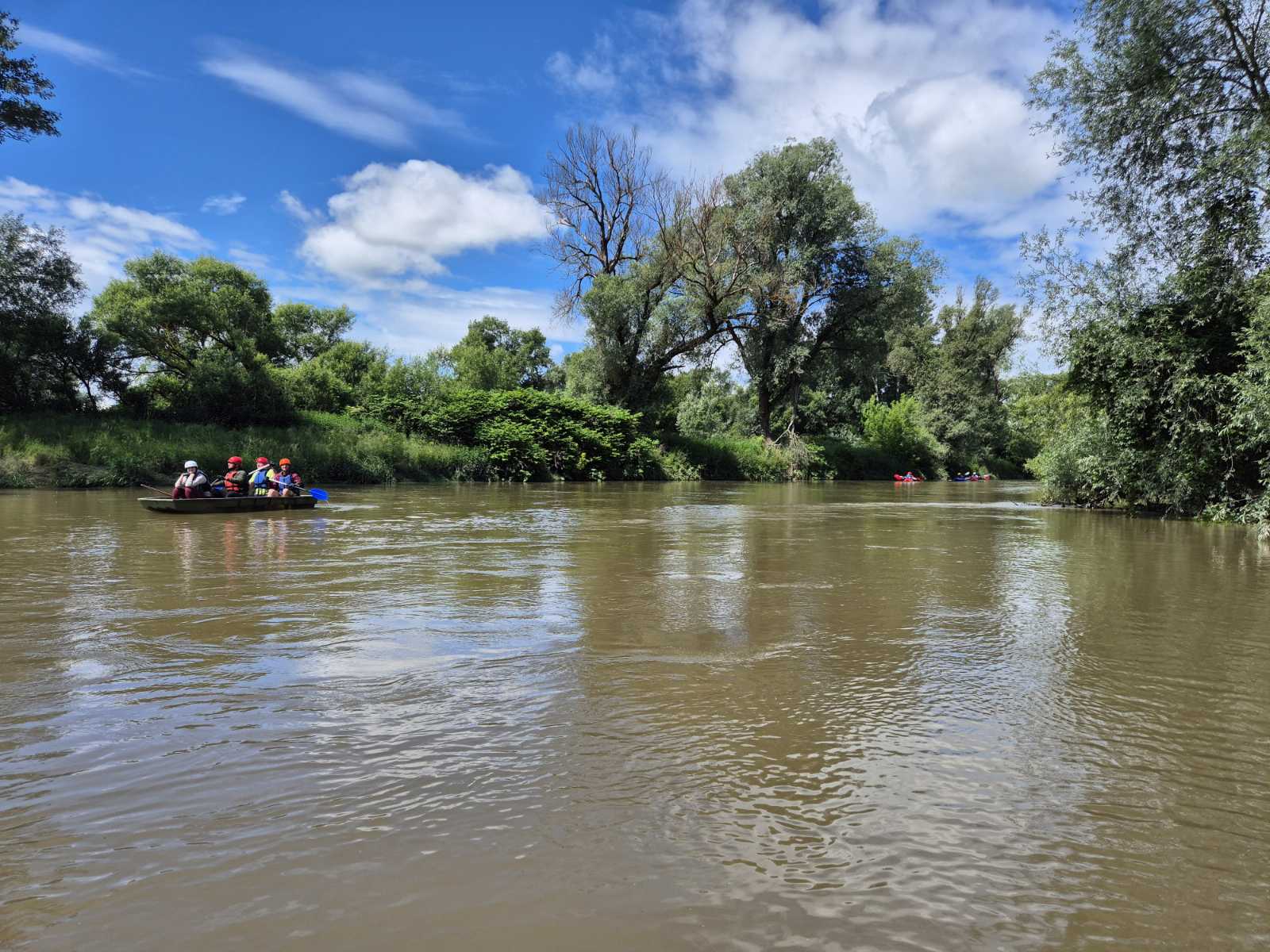
On Saturday, 13 June 2026, more than 40 volunteers gathered at the football field in Trstené pri Hornáde. Participants came from the municipalities of Trstené pri Hornáde, Čaňa, Veľká Ida, and Košice, as well as from the organizations Priatelia trstenskej prírody, Save Nature by Civas, and the ARR Agency. After registration, they were divided into two teams: the water team set off in canoes to clean the river, while the land team focused on clearing litter from the riverbanks and surrounding areas.
The River Had Plans of Its Own
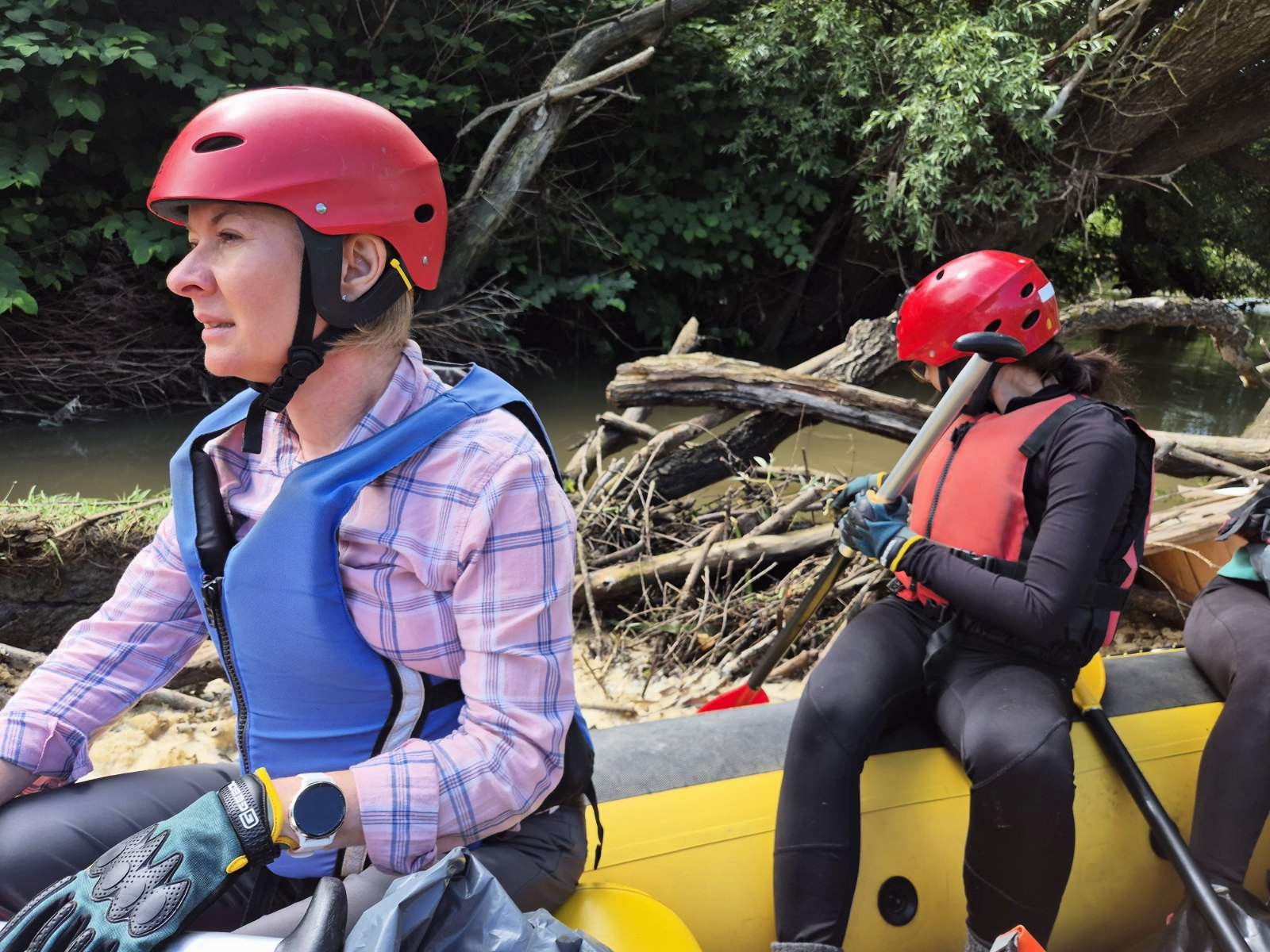
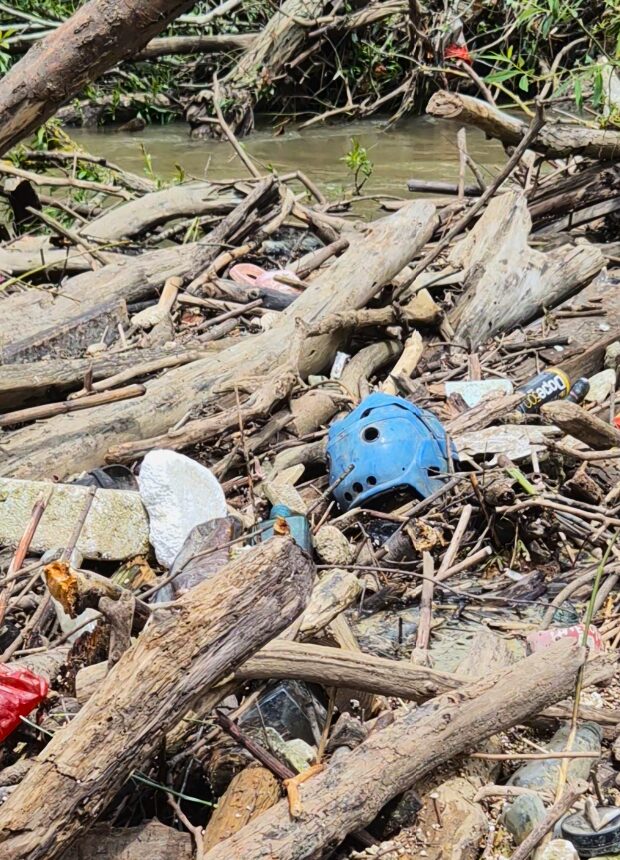
What was expected to be a routine cleanup quickly turned into an adventure. Floodwaters had carried large amounts of branches and fallen trees into the river, where they became trapped and formed almost impassable barriers.
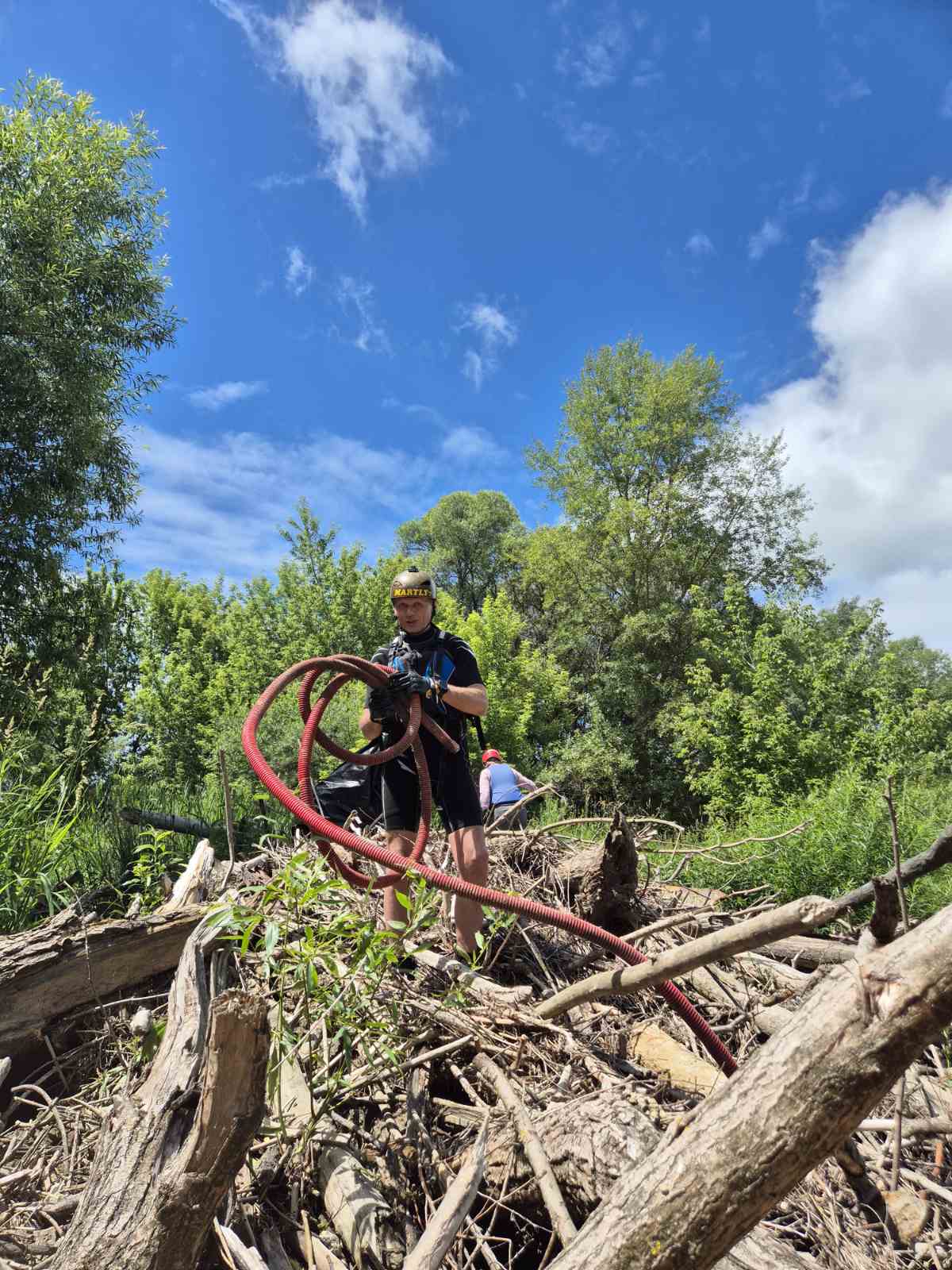
“The biggest challenge wasn’t the plastic or the cans—it was the branches caught in the riverbed,”said one of the organizers. “ Volunteers had to climb onto piles of branches in the water just to reach the waste.”
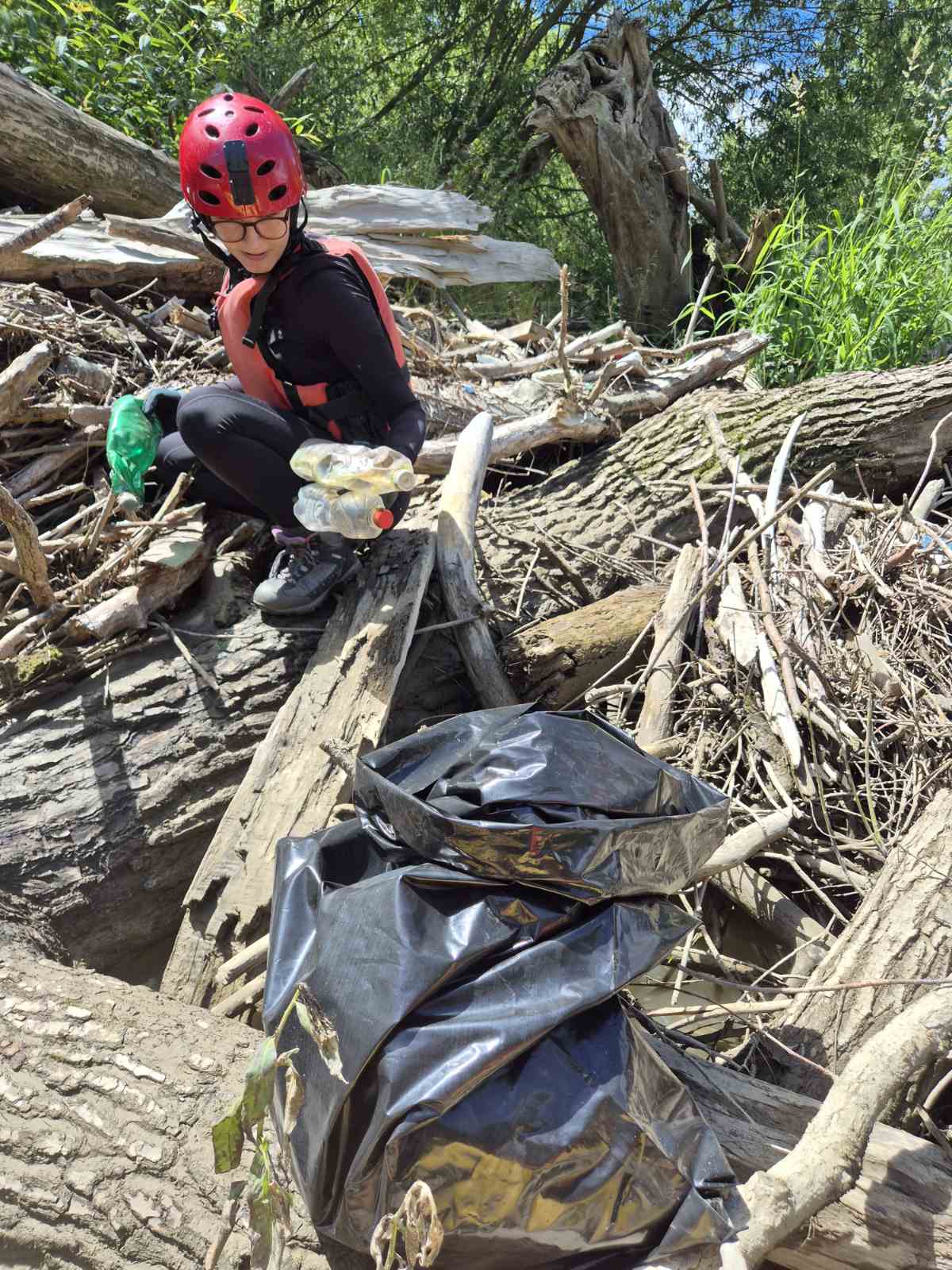
While some volunteers collected litter along the riverbanks, others navigated their canoes through tangled branches to remove debris that could otherwise block the river’s flow during future floods and increase the flood risk for communities downstream.
They Even Found Unopened Food
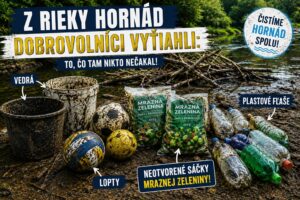
Volunteers found footballs, plastic bottles, bicycle helmets, buckets, and even items no one expected – including unopened food still sealed in plastic bags.
Some of the volunteers said this was different from an ordinary cleanup. “Here, you feel that you’re truly helping to protect the river, not just picking up litter,” said one of the participants.
The goal was not only to collect waste but also to highlight that a river is much more than water flowing through its channel. It is a living ecosystem that needs enough space to flow naturally. When that space is restricted, the impact of floods can become much more severe.
More Activities Ahead
Following this event, the project will continue with further activities, including presentations for schools and municipalities, where participants will learn how to prepare for floods, why it is important not to leave waste near rivers, and how each of us can help. This event proved that change begins with people – those who are willing to get up on a Saturday morning, put on their rubber boots, and step into water that is not always welcoming.
We would like to thank all the volunteers who spent this Saturday with us.

FLOODBOTI PROJECT
The aim of the project is to increase resilience to water-related damage and support adaptation to the negative impacts of climate change by restoring, protecting, and ensuring the long-term sustainability of the natural floodplain conditions along the Bodrog and Tisa rivers.